Brands are going minimal, logos are getting simpler, and "form follows function" is basically the design world's version of a pop song you can't escape. Here's where it all started, and why I think we're finally ready for something different.
It all starts with the Bauhaus
If you've ever used a product by Apple, sat in an IKEA chair, or glanced at basically any modern logo, you've felt the influence of a German art school that closed in 1933. The Bauhaus wasn't just an institution, it was a whole ideology, and its core principle, "form follows function," essentially said: if it doesn't serve a purpose, get rid of it.
That idea eventually gave us Minimalism as we know it. Clean lines, stripped-back palettes, nothing for decoration's sake. The iconic Helvetica typeface, the most-used font in branding and signage globally, is a direct descendant of that thinking. Even Steve Jobs openly credited Bauhaus as a key influence on Apple's product design.
So what's the problem?
Here's where it gets interesting. When every brand starts following the same principles, you end up with something psychologists call schema congruity, basically things feeling familiar because they match your existing expectations. That familiarity can actually build trust. But it can also mean everything looks the same.
Burberry, Jaguar, Warner Bros, and countless other brands have all recently moved to flatter, simpler logos and all faced the same wave of criticism for feeling generic. There's a word for this: homogeneity. When I see a rebrand and can't immediately tell which company it belongs to, something has gone wrong. Minimalism was originally about clarity and intent, not sameness.
Apple: the poster child for both sides
Apple is a great case study because they haven't always been the minimalist brand we know today. Look up the iMac G3, that translucent, candy-coloured machine from the late 90s was genuinely wild. The rainbow Apple logo, ditched in 1999, had real personality. Those designs were very much products of Postmodernism: expressive, individual, a bit chaotic.
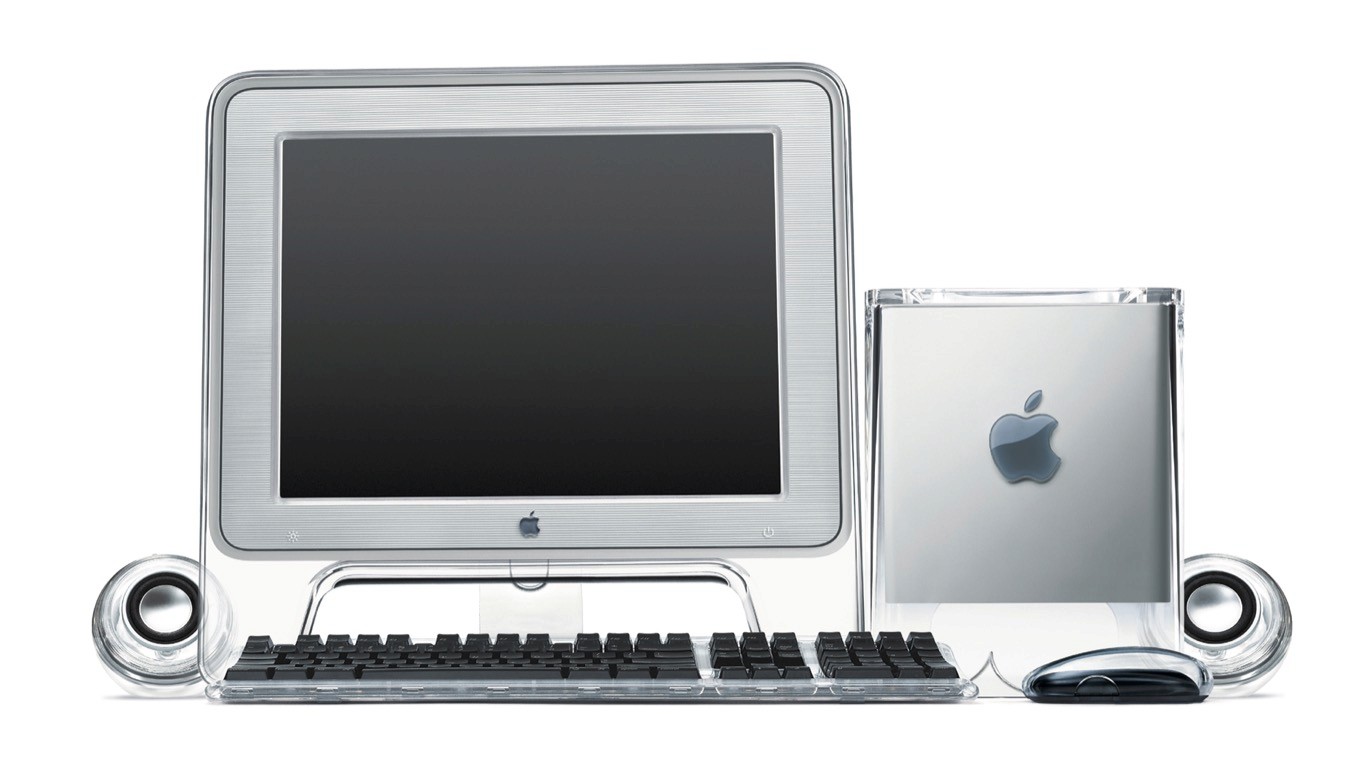
The shift happened around 2000 with the Power Mac G4 Cube, and went all the way through to iOS 7 in 2013. Flat design, Helvetica Neue as the system font, leaving behind that era of bubbly, textured interfaces entirely. Minimal. Functional. Influential to basically every tech brand that followed.
Postmodernism was onto something
I'll be honest, as a designer I'm more drawn to the Postmodernist approach than the Modernist one. Designers like David Carson completely threw out the rulebook: no grids, barely legible type, pure visual expression. It was criticised as "undisciplined" at the time. Now it's celebrated as pioneering.
Sony's PlayStation is a good example of what gets lost. The PS2-era adverts were genuinely cinematic, strange, creative, full of personality. Compare them to today's and you'll notice the character has largely been replaced by the kind of polished, minimal style that's everywhere right now. Technically fine. Also forgettable.
Are things shifting?
Maybe. Apple's "Liquid Glass" feature in iOS 26 introduces actual depth and translucency into the UI, which is a pretty big deal when you consider how long they've championed flat design. It's not a maximalist revolution, but it's a signal. There's also a broader push toward nostalgia and expressiveness in design right now, more texture, more character, more willingness to be weird.
Minimalism isn't going anywhere, and it shouldn't. The Bauhaus gave us some of the most enduring design principles in history. But the most exciting work right now is happening at the intersection: functional and structured, but also expressive and human. That's the space I want to work in.